Uganda Gorilla Trekking and Tanzania Safari
November 4, 2025
Mgahinga, Kibale and Serengeti Safari
November 5, 2025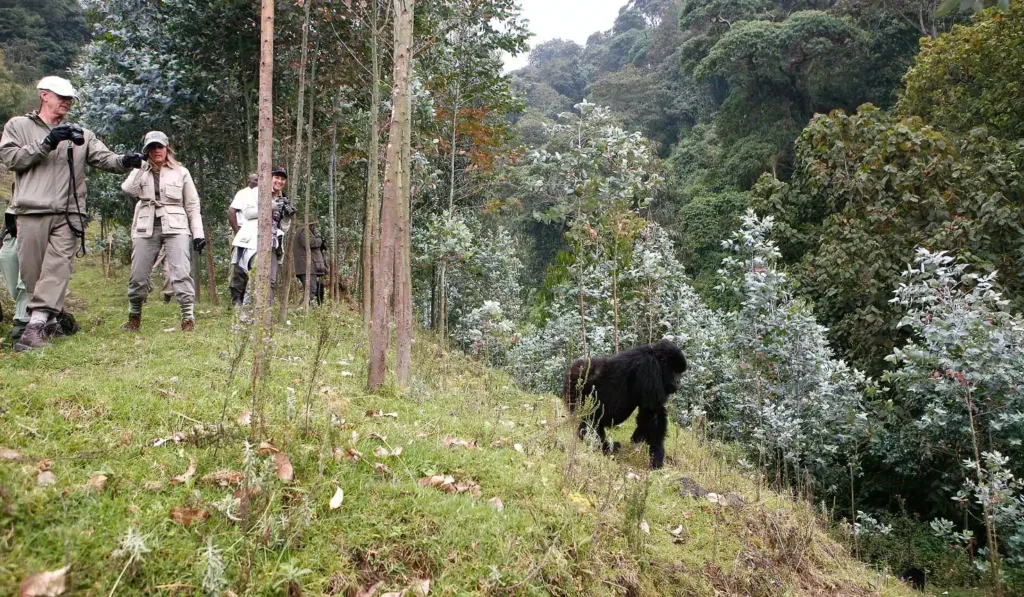
Bwindi Gorilla Safari and Serengeti Safari
A Bwindi Gorilla Safari and Serengeti Safari offers one of the most complete East African wildlife experiences. This journey combines Uganda’s misty rainforests, home to endangered mountain gorillas, with Tanzania’s expansive savannahs, teeming with wildlife, including lions, elephants, and the migrating herds of the Serengeti. Travelers can witness Africa’s biodiversity at its most diverse: intimate primate encounters in dense forests alongside dramatic predator-prey interactions on open plains.
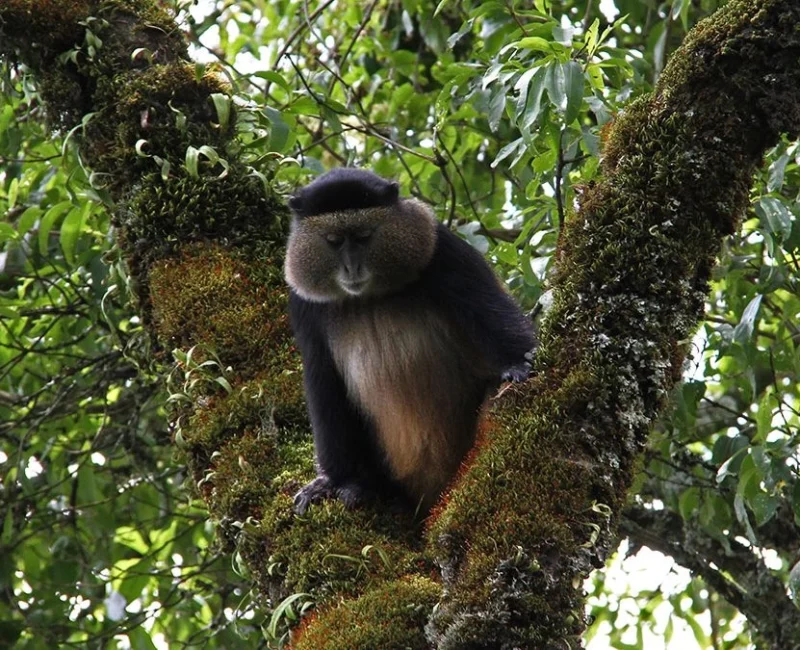
The contrast between Uganda wildlife safaris and Tanzania game drives creates a rich adventure. In Bwindi, quiet trekking trails and lush canopies encourage close observation of gorillas, golden monkeys, and a variety of bird species. In Tanzania, wide-open grasslands reveal the Big Five and the Great Migration, offering unparalleled photographic and wildlife-viewing opportunities. Combining these experiences allows travelers to understand Africa’s ecological and cultural diversity, making the trip highly rewarding.
A typical combined safari ranges from 7 days to 14 days, depending on interests and pace. Shorter trips focus on major highlights, while longer itineraries allow in-depth exploration, cultural experiences, and relaxed travel. This article details everything a traveler should know about planning a Uganda gorilla safari and Serengeti safari, including wildlife highlights, cultural encounters, logistics, seasonal advice, cost expectations, and sample itineraries.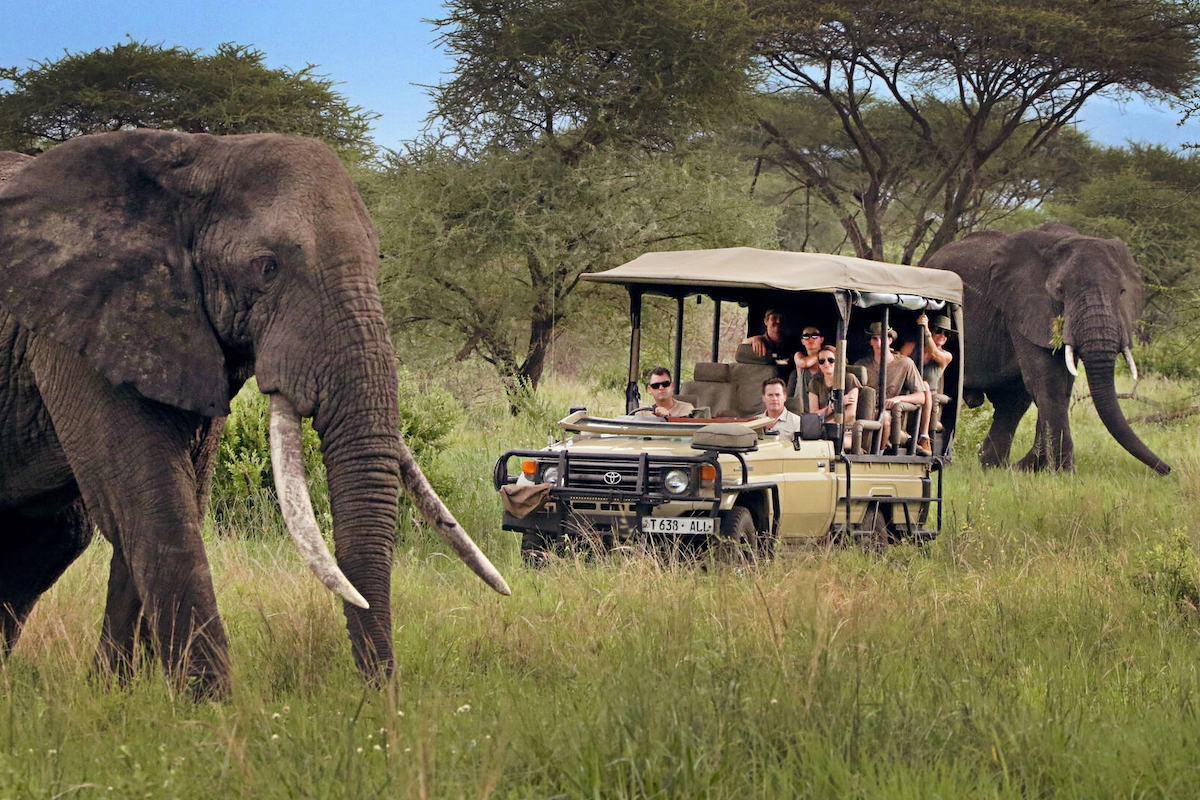
Bwindi Safari: Gorilla Trekking in Uganda’s Rainforests
Location and Park Overview
A Bwindi safari centers on Bwindi Impenetrable National Park, situated in southwestern Uganda near the Democratic Republic of Congo border. The park spans approximately 321 square kilometers of dense, tropical rainforest and is a UNESCO World Heritage site. Bwindi is home to nearly half of the world’s remaining mountain gorilla population, making it one of the most sought-after destinations for Uganda gorilla trekking.
The park features steep slopes, moss-covered trails, and rich biodiversity. Trekking through the forest provides encounters with a variety of wildlife, including forest elephants, colobus monkeys, duikers, and over 350 bird species. Travelers experience Uganda wildlife safaris at their most intimate here, observing primates and other species in quiet, undisturbed habitats.
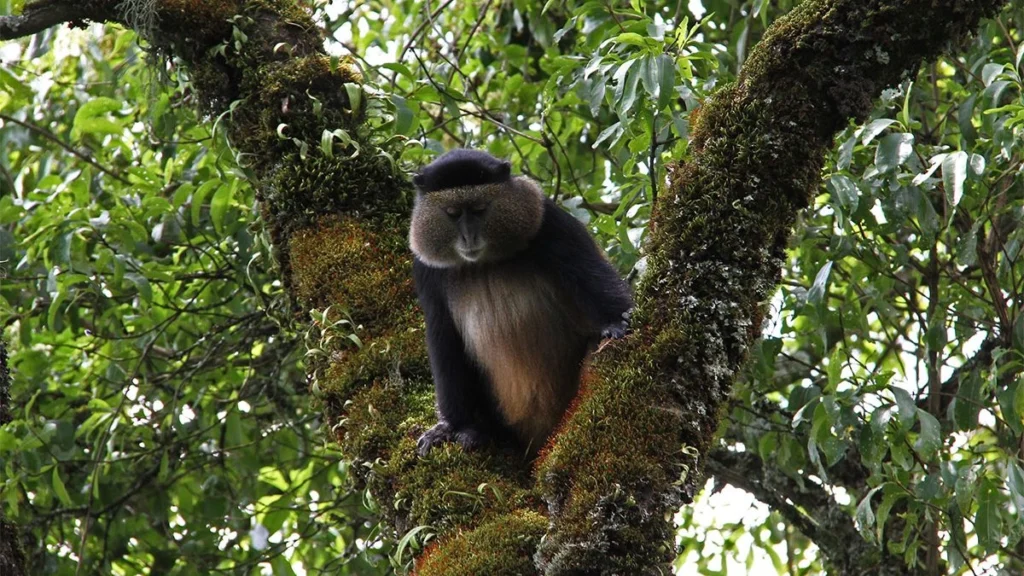
Many travelers combine Bwindi gorilla trekking with visits to neighboring Mgahinga Gorilla National Park, which provides opportunities to see golden monkeys and additional primates. The combination of parks allows for extended exploration while supporting local conservation efforts.
Gorilla Trekking: Key Experiences
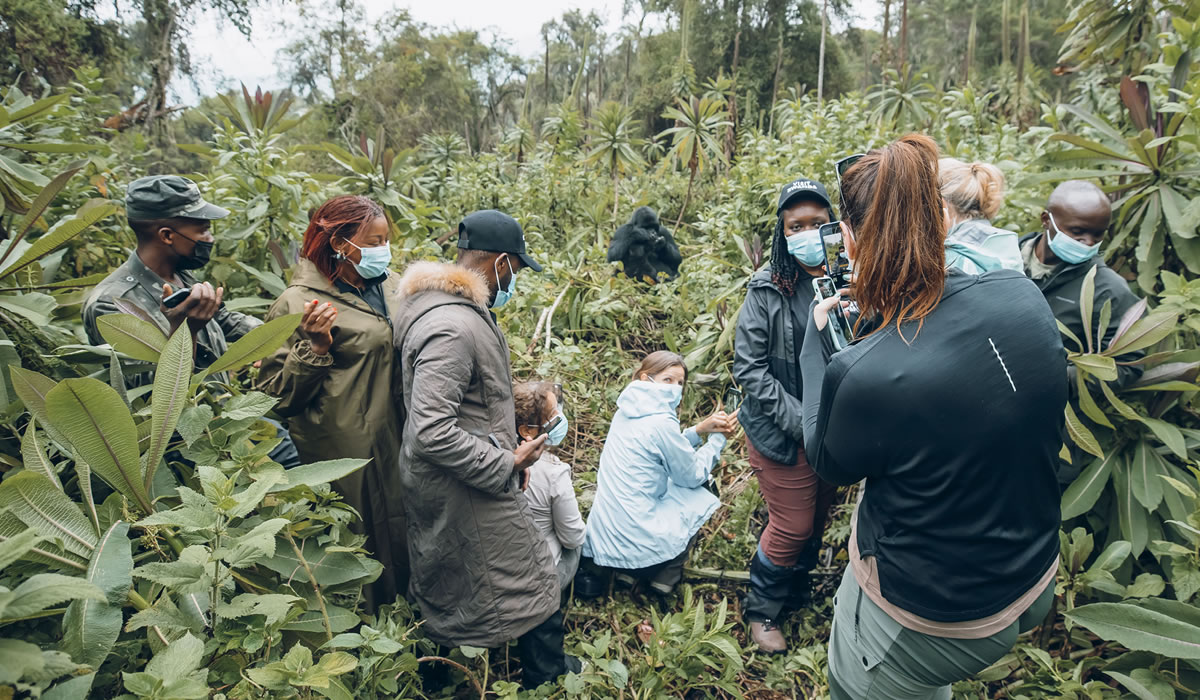
The primary highlight of a Bwindi safari is trekking to observe mountain gorillas. Trekkers spend several hours navigating forest trails to reach gorilla families, where they witness silverbacks, females, and infants interacting naturally. Observations last up to one hour, providing close-up experiences that remain unforgettable.
In addition to gorillas, Uganda wildlife tours include chimpanzee tracking, bird-watching, and forest walks. Visitors encounter unique flora, medicinal plants, and diverse ecosystems that highlight the importance of conservation. The sensory experience sounds of the forest, rustling leaves, and the occasional roar of distant wildlife adds depth to the adventure.
Lodges near Bwindi enhance the safari with cultural experiences. Guests can visit Batwa communities, participate in craft-making, and learn about traditional forest-based livelihoods. Dining on local Ugandan cuisine and sharing stories with local residents provide enriching context to a Uganda safari holiday. These interactions connect travelers to the people who live alongside wildlife and highlight the symbiotic relationship between conservation and local culture.
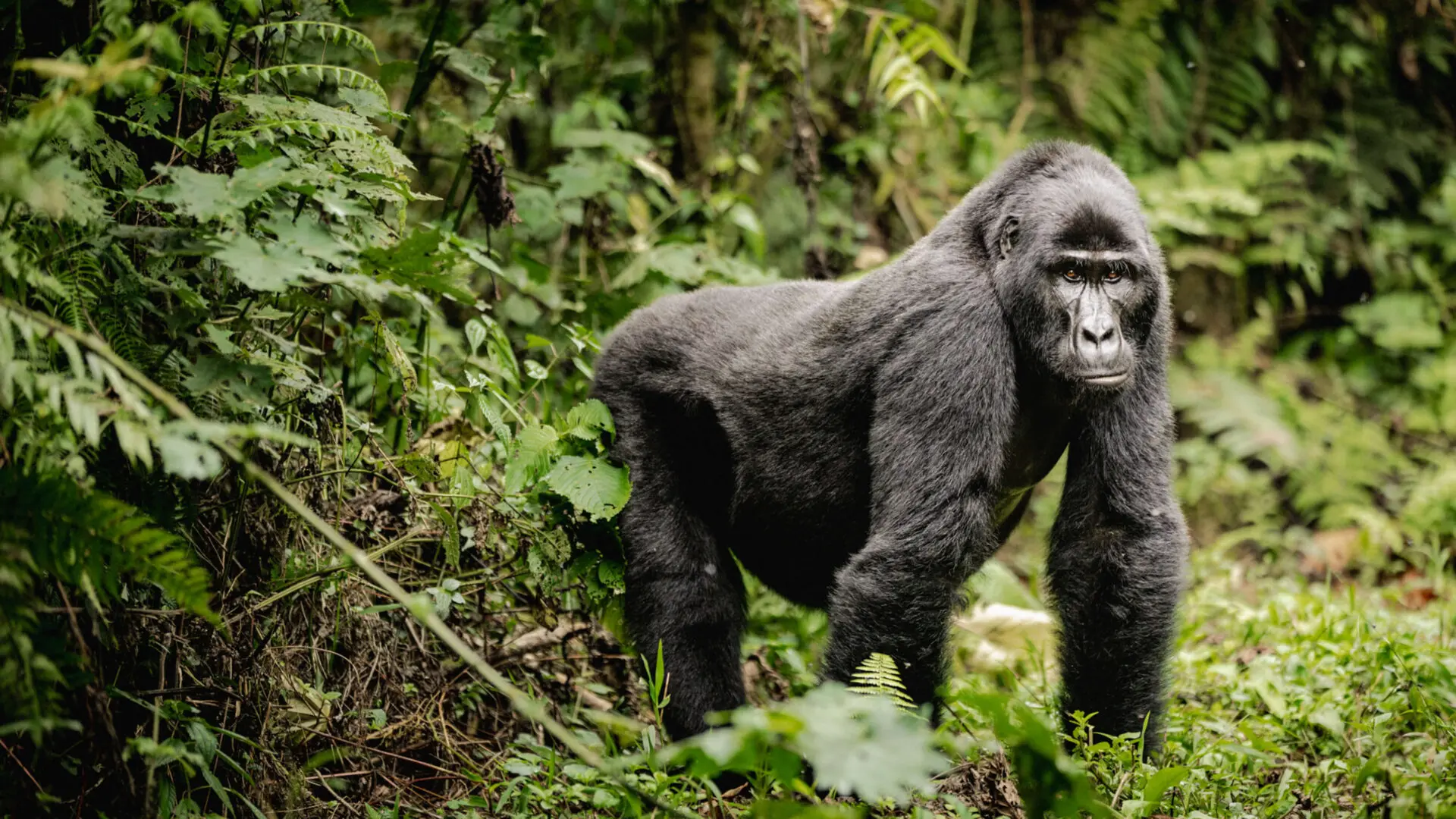
Uganda Gorilla Trekking
Duration and Costs
A typical Uganda gorilla safari lasts three days, balancing trekking, cultural experiences, and relaxation. Gorilla permits for non-residents cost approximately US $800, representing a significant portion of the total expense. Including accommodations, guiding, transport, and meals, 3-day Uganda safari holidays range between US $1,300 and $2,900 per person depending on lodge standard and service level.
Peak trekking seasons occur between June–September and December–February, when trails are more accessible and gorilla activity is easier to observe. Booking permits in advance is essential due to limited availability, ensuring a smooth and rewarding experience.
Serengeti Safari: Big Game Viewing in Tanzania
Location and Park Overview
A Serengeti safari takes place in Serengeti National Park, Tanzania, covering approximately 14,750 square kilometers of savannah, woodlands, and riverine forests. The park is world-renowned for its abundant wildlife, including the Big Five: lions, leopards, elephants, buffaloes, and rhinoceroses.
One of Serengeti’s most dramatic phenomena is the annual Great Migration of wildebeest and zebras. Observing predator-prey interactions, river crossings, and herd movements offers travelers a once-in-a-lifetime safari experience. Many Tanzania wildlife tours also include visits to Ngorongoro Crater and Tarangire National Park, each providing distinct wildlife and scenery experiences.
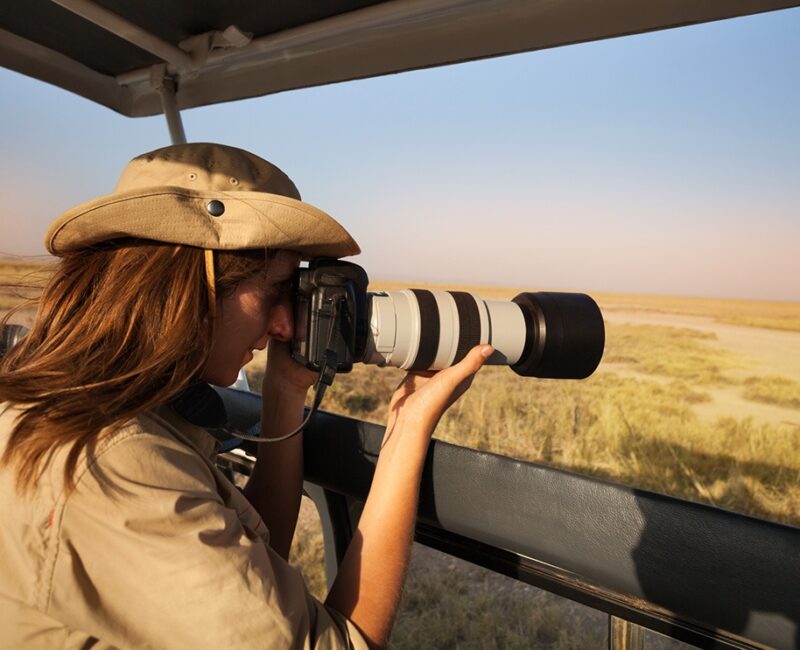
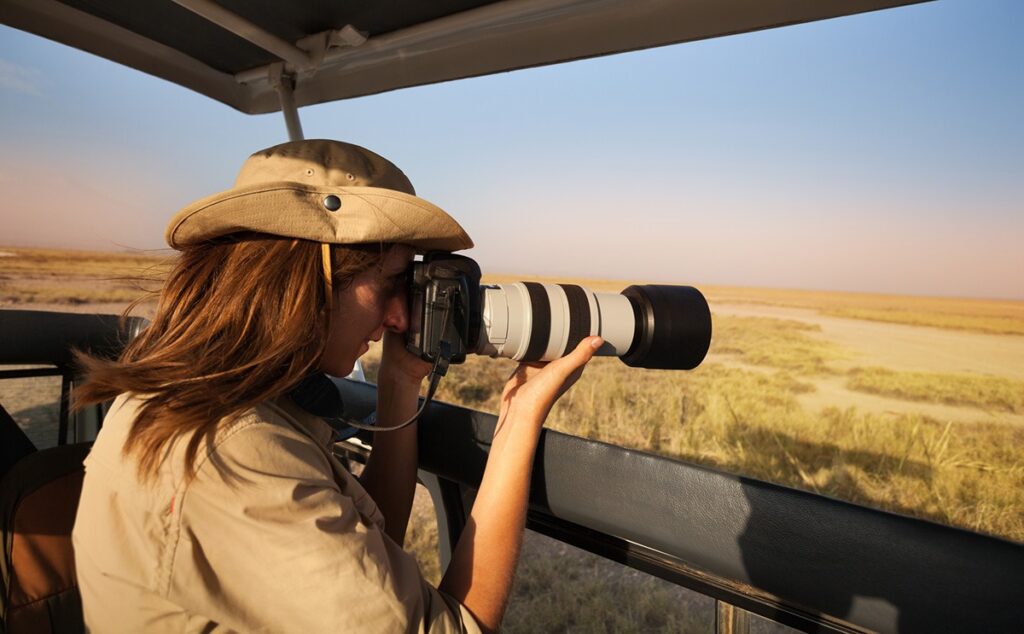
The Serengeti’s open terrain allows exceptional visibility, making it ideal for photography and wildlife observation. Travelers can witness interactions at multiple levels from a distant herd grazing to a lion stalking its prey providing contrast to the forested, close-quarter wildlife encounters in Uganda.
Wildlife Encounters
The Serengeti is home to iconic African species, including elephants, lions, leopards, cheetahs, hyenas, giraffes, zebras, wildebeests, and numerous bird species. Game drives offer repeated sightings of predator-prey interactions, with ample opportunity for photography and observation of natural behaviors. Night drives in select areas reveal nocturnal species such as civets, genets, and bushbabies.
Cultural experiences enrich the safari experience. Visitors may meet Maasai or Hadzabe communities, learning about pastoral traditions, tribal dances, and daily life. This cultural context complements the natural wonder of the safari, providing a holistic understanding of East African ecosystems and human heritage.
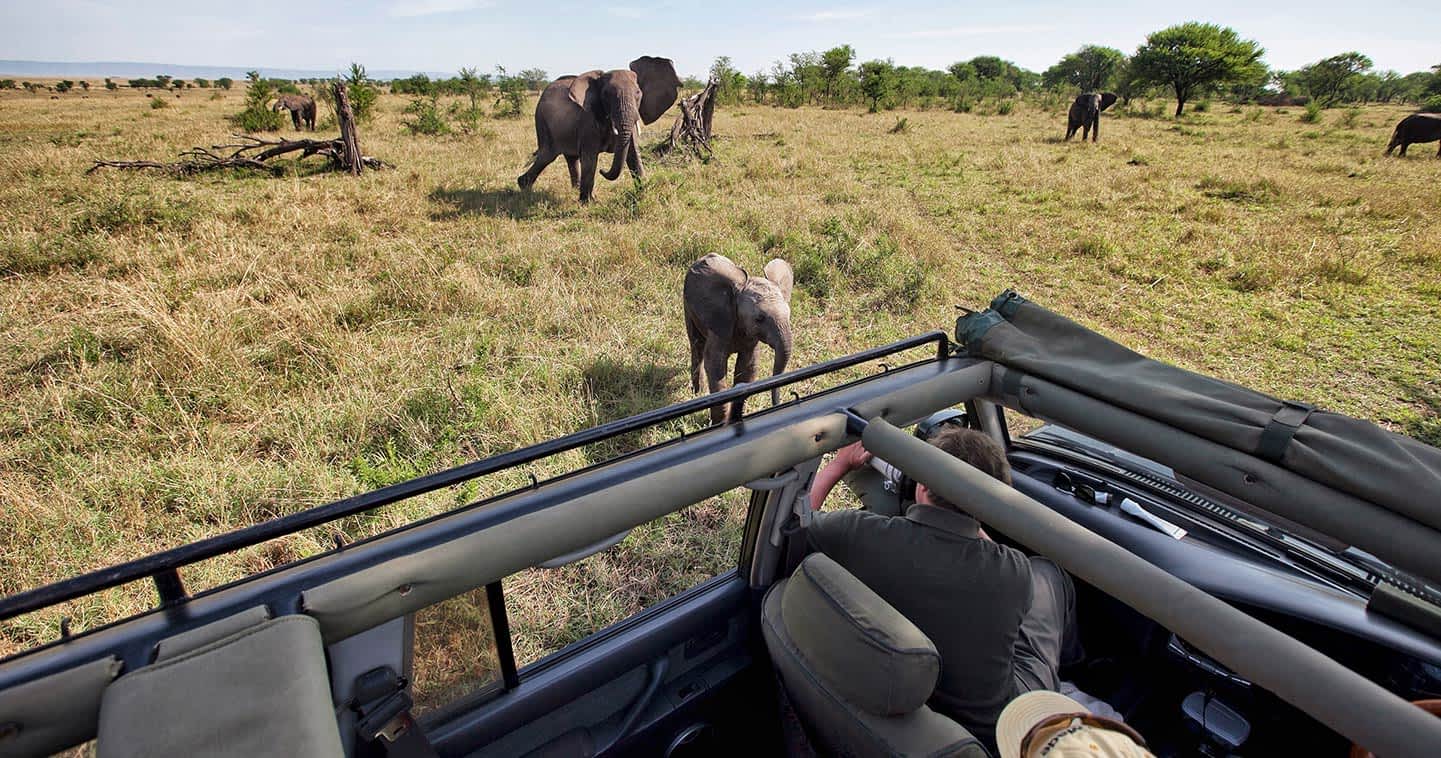
Serengeti National Park
Duration and Costs
A typical Tanzania safari lasts 3–8 days, depending on park coverage, season, and accommodations. Luxury lodges and private safari vehicles cost between US $700 and $2,500 per night per person, while mid-range lodges are more affordable. Peak season corresponds to the migration period (July–October) and dry months (June–September), ensuring optimal wildlife sightings.
Combined itineraries of Uganda and Tanzania usually span 7–14 days, allowing sufficient time for gorilla trekking, game drives, and cultural experiences without rushing. Longer itineraries provide opportunities for additional parks, scenic excursions, and immersive wildlife observation.
Combining Bwindi and Serengeti Safaris: A Complete East African Adventure
Contrasting Experiences
The Bwindi safari and Serengeti safari combination provides travelers with two of East Africa’s most iconic wildlife experiences. Gorilla trekking in Uganda offers close encounters in dense forests, while Serengeti game drives reveal expansive landscapes and dramatic predator-prey dynamics. Together, they present a complete picture of East African wildlife diversity.
Travelers often ask: how can both experiences fit into one trip? By flying between Uganda and Tanzania, travelers can maximize wildlife viewing time. Shorter 7-day itineraries focus on highlights, while longer 14-day adventures include cultural interactions, additional parks, and relaxed pacing.
Wildlife Highlights
During a combined safari, travelers witness diverse ecosystems. Uganda gorilla safaris showcase endangered mountain gorillas, golden monkeys, and forest bird species. Serengeti safaris present elephants, lions, leopards, cheetahs, and migratory herds. Observing these contrasting ecosystems enhances understanding of Africa’s ecological variety and natural cycles.
Cultural Opportunities
Lodges in Bwindi provide Batwa cultural experiences, including storytelling, dancing, and crafts. Serengeti lodges offer Maasai village visits and Hadzabe community interactions. These encounters add cultural depth to a wildlife-centered safari, allowing travelers to appreciate the relationship between human communities and their natural environment.
Logistics and Travel Considerations
Travelers need careful planning for cross-border itineraries. Flights from Entebbe or Kampala in Uganda to Arusha or Kilimanjaro in Tanzania save time and reduce overland travel fatigue.
Booking gorilla permits, park entry fees, and domestic flights well in advance ensures a smooth experience. Travelers must also consider visas, health requirements like yellow fever vaccination, and luggage restrictions for small aircraft. Efficient planning allows maximum time for wildlife viewing and cultural experiences rather than transit.
Sample Itineraries
7-Day Bwindi and Serengeti Safari:
- Day 1: Arrival in Uganda and transfer to Bwindi
- Day 2: Gorilla trekking in Bwindi
- Day 3: Optional chimpanzee tracking or village walk
- Day 4: Flight to Tanzania
- Days 5–7: Game drives in Serengeti and Ngorongoro, concluding with departure
10-Day Adventure:
- Days 1–3: Bwindi gorilla trekking
- Day 4: Transfer to Tanzania
- Days 5–8: Serengeti and Ngorongoro exploration
- Days 9–10: Tarangire National Park and cultural visits
14-Day Extended Safari:
- Days 1–4: Bwindi trekking and Batwa village experience
- Days 5–11: Serengeti, Ngorongoro, Tarangire with full game drives and migration observation
- Days 12–14: Cultural immersion with Maasai or Hadzabe communities
These itineraries cater to varying budgets, travel styles, and timeframes, allowing flexibility while ensuring unforgettable wildlife encounters.
Seasonal Wildlife Tips
Bwindi Gorilla Trekking: Best from June–September and December–February for drier trails and better gorilla visibility.
Serengeti Safari: Migration viewing peaks between July–October; dry season from June–September offers higher predator visibility.
Tarangire: Best in the dry season (June–October) when elephants congregate around water sources.
Practical Travel Advice
- Book gorilla permits and park entry fees months in advance.
- Carry lightweight, neutral clothing for both forest and savannah climates.
- Bring waterproof jackets, sturdy hiking boots, binoculars, and cameras.
- Maintain proper vaccinations, including yellow fever.
- Respect wildlife distances and follow ranger guidance.
Conservation and Responsible Travel
Gorilla permits fund conservation and community initiatives in Uganda, while Tanzanian park fees support anti-poaching and habitat management. Travelers should follow ethical tourism practices, such as keeping distance from animals, minimizing environmental impact.
And supporting local communities through lodge stays and craft purchases. Responsible travel ensures the preservation of these iconic ecosystems for future generations.
A Bwindi Gorilla Safari and Serengeti Safari combines Africa’s most iconic wildlife experiences. It blends intimate gorilla encounters with dramatic savannah wildlife observation, enriched by cultural immersion and diverse ecosystems.
Whether over 7, 10, or 14 days, travelers gain unparalleled exposure to East Africa’s biodiversity, landscapes, and communities. The combination offers a complete safari adventure, balancing adventure, learning, and relaxation, creating memories that last a lifetime.