Inside the Wild Hearts of Uganda
October 29, 2025
Inside the Lives of Female Gorillas
October 31, 2025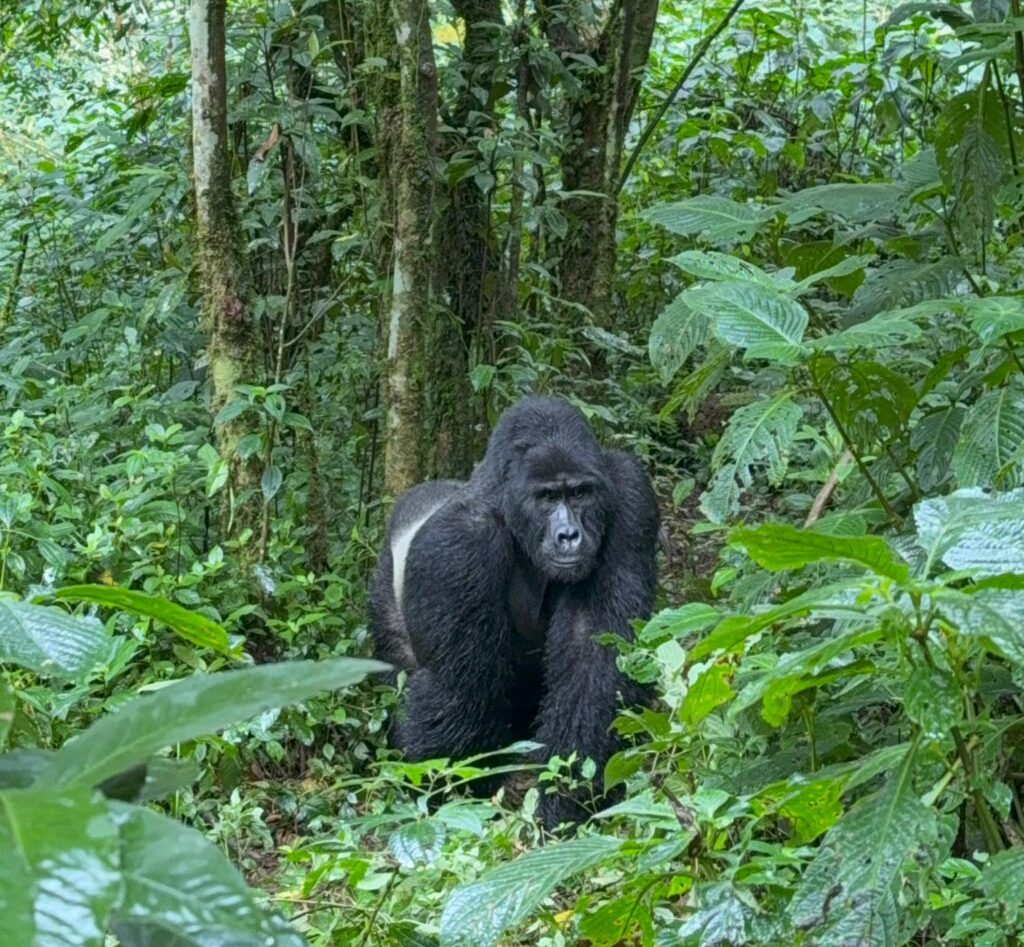
Inside the Lives of Male Gorillas
From Blackbacks to Silverbacks on a Uganda Gorilla Safari
Gorilla Safari
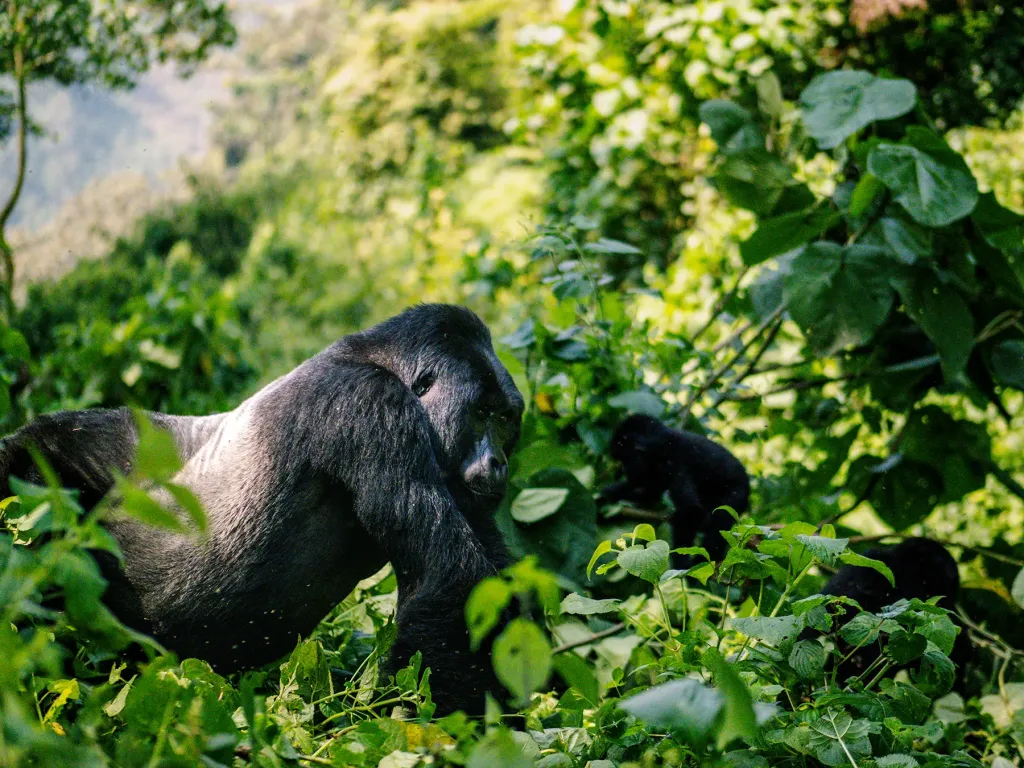
Inside the Lives of Male Gorillas, From Blackbacks to Silverbacks on a Uganda Gorilla Safari, travelers embark on a journey that is both unforgettable and educational. This safari experience allows visitors to observe male gorillas in Bwindi Impenetrable National Park and Mgahinga Gorilla National Park as they grow from adolescent blackbacks into commanding silverbacks that lead their troops. By exploring Uganda Gorilla Trekking, tourists not only witness extraordinary wildlife behavior but also engage with conservation efforts and local cultures, making each Uganda Safari Holiday an immersive adventure.
During Uganda Wildlife Safaris, travelers witness the interplay between youthful curiosity and mature leadership within gorilla troops. Visitors see blackbacks learning essential life skills and silverbacks maintaining group cohesion, offering a window inside the lives of male gorillas that few other wildlife experiences provide. Cultural immersion at nearby lodges and villages, including Batwa community visits and eco-lodge stays, enhances understanding of how humans interact with these iconic primates. Every Uganda Safari Holiday becomes a holistic adventure, blending wildlife observation, cultural education, and conservation awareness.
Blackbacks: The Formative Stage of Male Gorilla Life
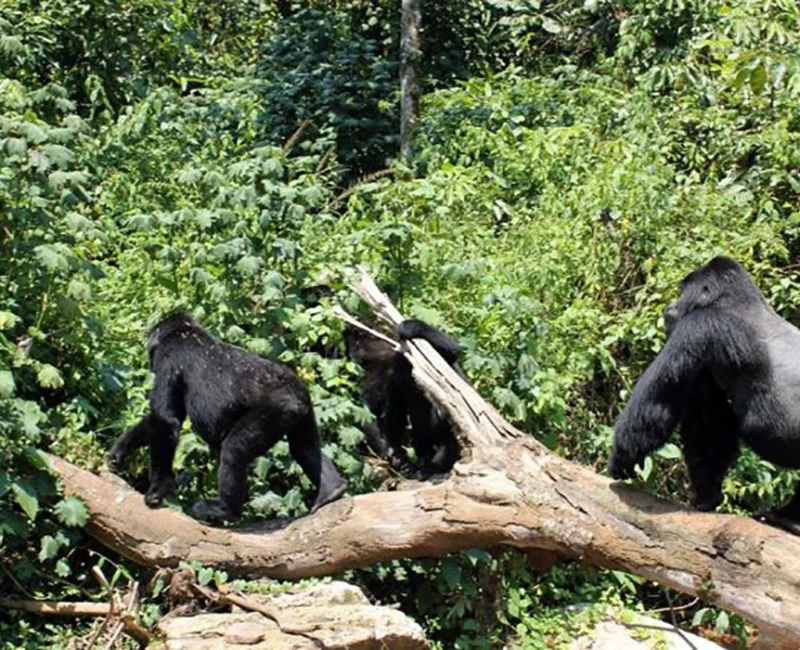
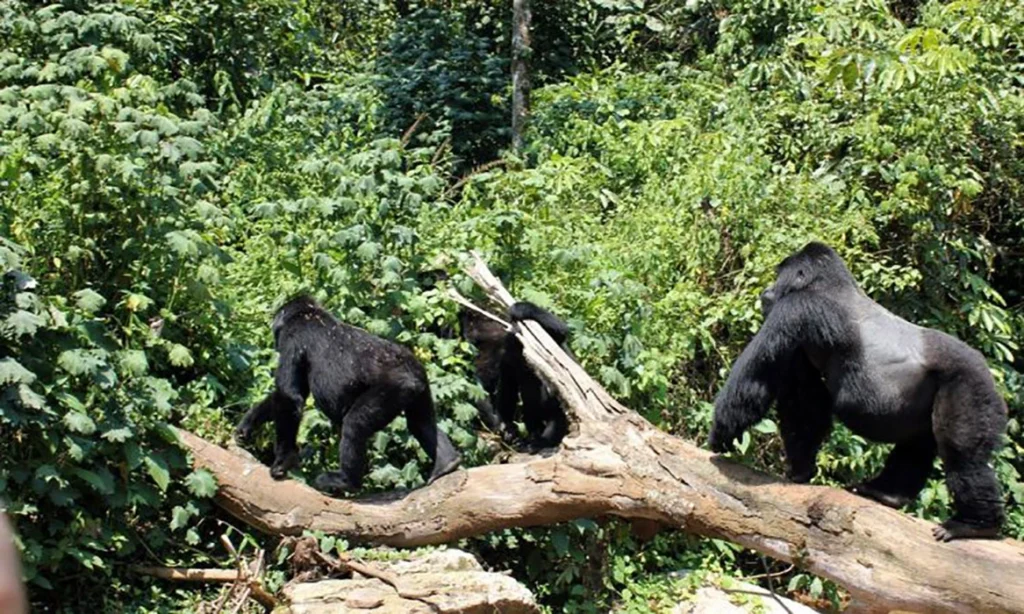
Blackbacks are male gorillas aged between eight and twelve years, representing the formative stage of social and physical development. During Uganda Gorilla Safaris, travelers observe blackbacks playing, exploring, and learning survival skills. This period is critical for socialization, as young males gain the abilities they will need to thrive as future leaders. Observing blackbacks provides a fascinating perspective inside the lives of male gorillas, revealing the importance of learning, play, and hierarchy in gorilla society.
Blackbacks spend much of their time near dominant silverbacks, observing foraging behaviors, troop movement, and social interactions. Play among blackbacks strengthens social bonds, develops motor coordination, and teaches negotiation skills for conflict resolution. Visitors often witness playful sparring, gentle chest-beating, and mock displays of dominance, which are integral to establishing rank and understanding group dynamics. Uganda Gorilla Trekking allows tourists to witness these formative behaviors in their natural environment, offering unparalleled insight into gorilla intelligence and adaptability.
Cultural experiences near lodges complement wildlife observation. Visitors engage with Batwa communities to learn traditional forest management, sustainable agriculture, and ecological knowledge that helps protect gorilla habitats. Observing blackbacks in combination with these cultural insights demonstrates how Uganda Safari Holidays can support both wildlife conservation and community development, ensuring gorilla populations remain healthy for future generations.
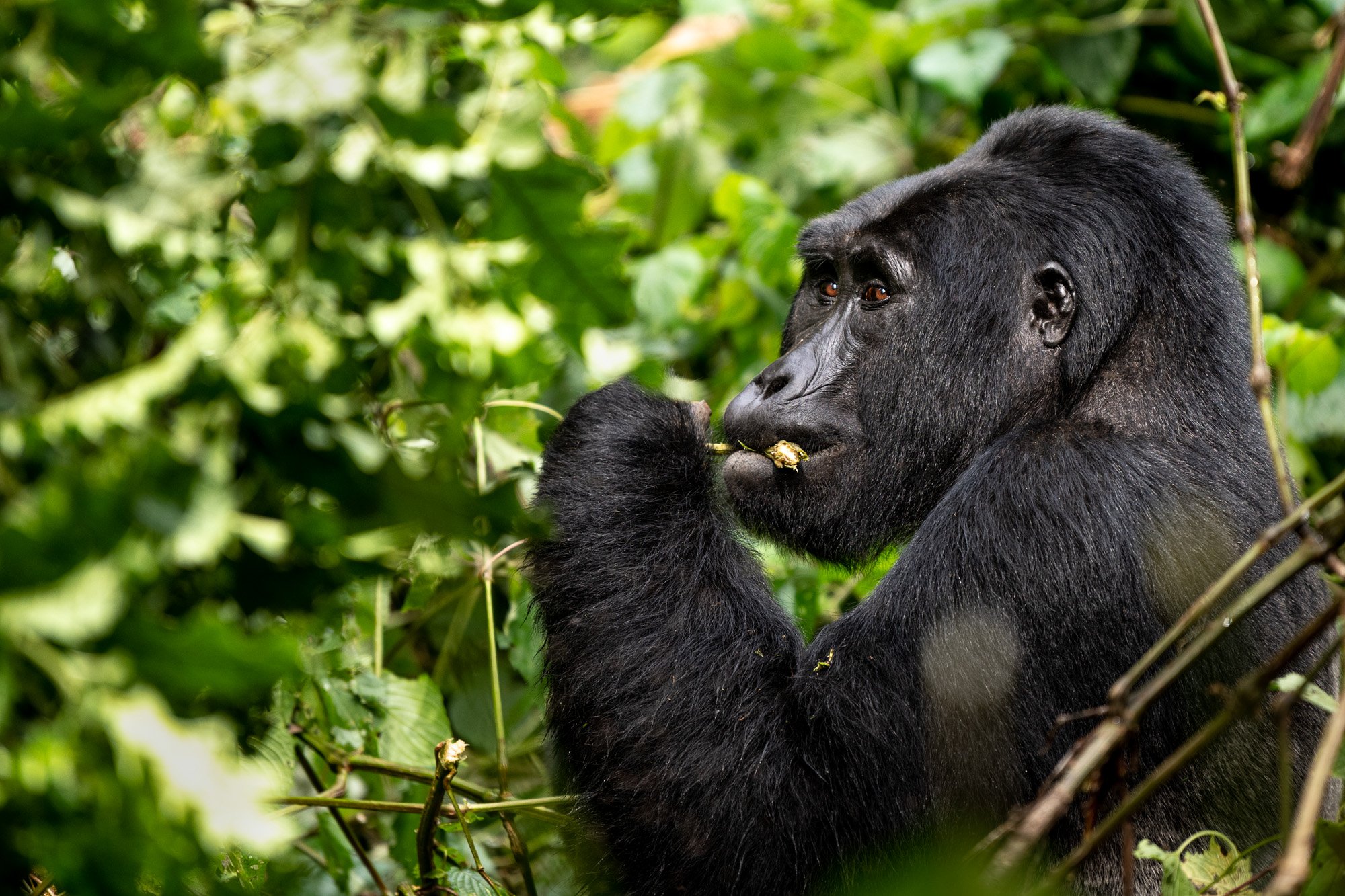
Uganda Gorilla Habituation Safari
Silverback Development: From Youth to Leadership
As male gorillas mature, they transition into silverbacks between ten and twelve years old. This physical transformation is marked by the development of the characteristic silver-gray saddle on their backs, along with increased muscle mass, broader shoulders, and larger canine teeth. Behavioral changes also occur: silverbacks begin to assert authority, mediate conflicts, and take on protective responsibilities. Witnessing these changes on a Uganda Gorilla Safari provides a rare and intimate perspective inside the lives of male gorillas.
Young silverbacks gradually assert dominance through chest-beating, vocalizations, and posturing, signaling readiness to assume leadership roles. Not all silverbacks become the dominant male; many occupy subordinate positions while learning essential leadership and decision-making skills. Observing these interactions during Uganda Wildlife Safaris reveals the depth of gorilla social intelligence, adaptability, and the delicate balance between authority and cooperation within a troop.
Silverback development is vital for troop stability and genetic diversity. Mature males mediate disputes, protect juveniles and females, and lead their group to feeding and resting areas. By observing silverbacks in their natural environment, visitors gain a firsthand appreciation of how intelligence, experience, and emotional awareness maintain social harmony. Uganda Gorilla Trekking allows travelers to witness these behaviors, highlighting the sophisticated social organization of gorilla troops.
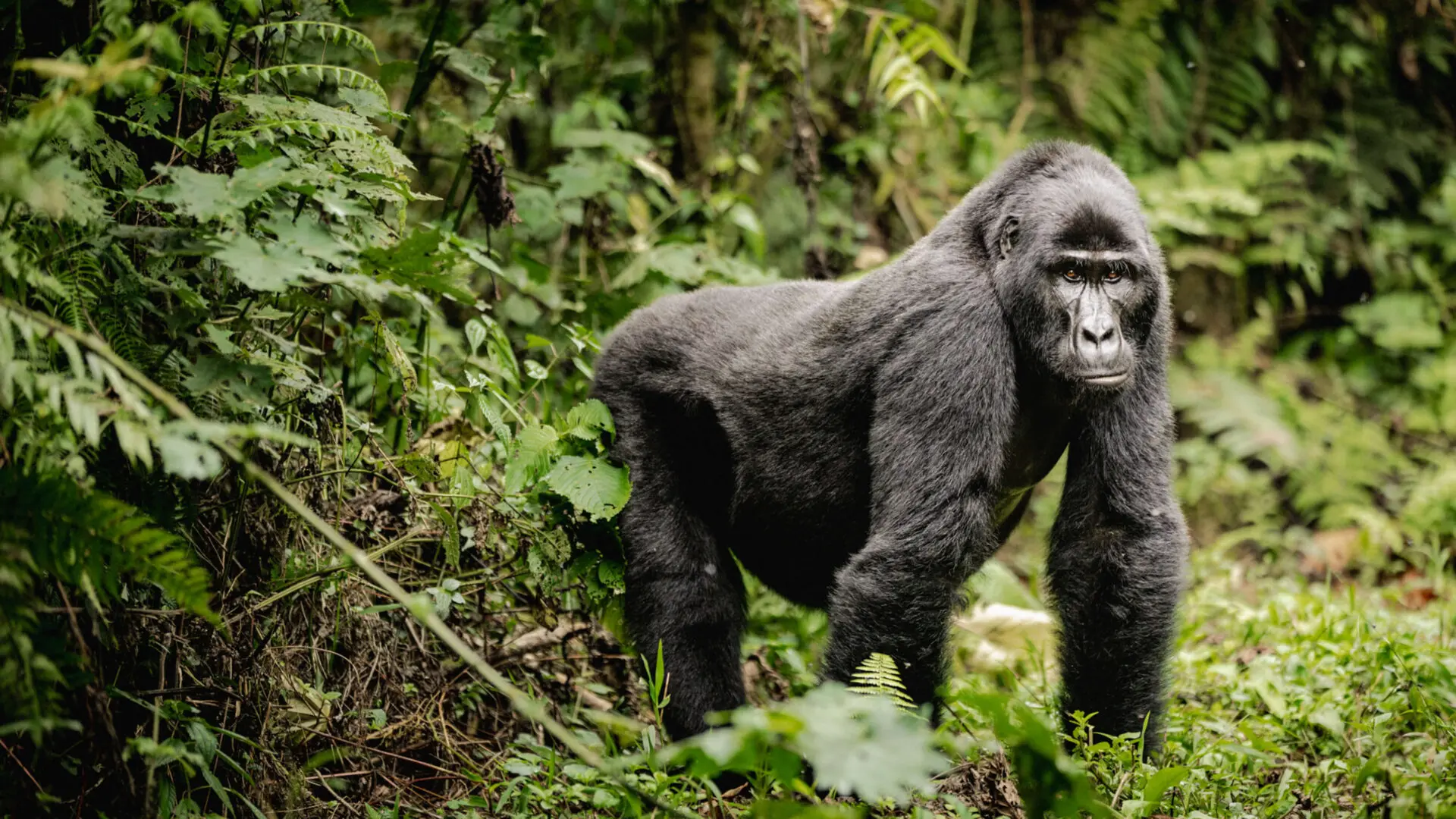
Uganda Gorilla Trekking
Dominance, Leadership, and Troop Dynamics
Dominance and leadership are central to gorilla troop cohesion. The dominant silverback manages feeding schedules, resting periods, and group movements while mediating conflicts between individuals. These leadership roles rely on subtle communication techniques, including vocalizations, gestures, posturing, and grooming, offering a profound understanding inside the lives of male gorillas.
Subordinate silverbacks play supporting roles, assisting the dominant male and learning leadership behaviors over time. This system ensures continuity of leadership, maintaining the stability of the troop. Tourists on Uganda Gorilla Safaris can witness these dynamics firsthand, seeing the balance of power, cooperation, and empathy that sustains gorilla groups. Leadership in gorilla troops demonstrates not just strength but intelligence, foresight, and emotional intelligence, making it a remarkable observation for visitors seeking a deep wildlife experience.
Conflict resolution involves careful negotiation, gentle displays, and occasional assertive behaviors. Observing these interactions highlights gorilla problem-solving skills, social awareness, and the importance of hierarchy in maintaining troop safety. Integrating these insights enhances the Uganda Safari Holiday experience, illustrating the vital role of responsible tourism in promoting gorilla conservation.
Male Gorilla Roles in the Troop
Male gorillas assume distinct roles that ensure survival and cohesion within the troop. Dominant silverbacks protect the group from predators, mediate conflicts, and coordinate movement, while subordinate males provide support, observe, and learn leadership skills. Blackbacks focus on play and observation, gradually preparing to assume leadership responsibilities. Visitors on a Uganda Gorilla Safari gain a comprehensive view inside the lives of male gorillas by witnessing these varied roles in action.
Silverbacks ensure access to food, monitor juveniles, and guide the troop through complex forest terrain. Blackbacks practice communication, vigilance, and coordination, gaining experience necessary for future leadership. Cultural experiences at lodges provide complementary learning opportunities, allowing travelers to understand Batwa ecological knowledge, sustainable forest practices, and community conservation initiatives. Combining wildlife observation with cultural immersion ensures Uganda Safari Holidays provide a holistic and responsible travel experience.
Behavioral Observations During Uganda Gorilla Trekking
Behavioral observation is a core component of Uganda Gorilla Trekking. Visitors witness grooming, play, feeding, nest-building, and communication behaviors, revealing how gorillas maintain social cohesion and adapt to their environment. Juveniles and blackbacks engage in playful interactions that build motor skills, hierarchy awareness, and social intelligence. Grooming reinforces social bonds, while vocalizations and chest-beating communicate emotional states, authority, and alertness, offering an insightful window inside the lives of male gorillas.
Nest-building is essential for survival. Each evening, gorillas construct nests from branches and leaves, providing safety, comfort, and protection from parasites. Observing nest-building highlights foresight, problem-solving, and intelligence. Additionally, visitors learn how non-verbal communication through gestures and posture plays a critical role in troop dynamics. These detailed observations, combined with cultural engagement and eco-lodge stays, make Uganda Wildlife Safaris both educational and unforgettable.
Ecological Context and Habitat Preservation
Gorilla habitats in Uganda include dense tropical rainforests, bamboo forests, and montane grasslands. These habitats provide the necessary food, shelter, and space for gorilla troops to thrive. Uganda Gorilla Safaris offer travelers an opportunity to appreciate the ecological complexity of these habitats and understand threats like deforestation, habitat fragmentation, and human-wildlife conflict. Conservation strategies, such as national park management and community-led reforestation projects, preserve critical gorilla habitats, ensuring long-term survival.
Visitors learn how each troop adapts to seasonal changes, forage for various plants, and navigate forest challenges. Understanding these adaptations provides a more nuanced view inside the lives of male gorillas, highlighting their intelligence and resilience. Eco-lodge experiences and guided forest walks further enhance this understanding, blending tourism with conservation education.
Integration with Conservation and Tourism
Tourism on a Uganda Gorilla Safari supports direct conservation efforts. Trekking permits fund the Uganda Wildlife Authority (UWA) and organizations like the International Gorilla Conservation Programme (IGCP) and Conservation Through Public Health (CTPH). Funds from Uganda Gorilla Safaris maintain ranger patrols, research, habitat protection, and community development. Travelers contribute directly to gorilla conservation, supporting sustainable livelihoods for local communities while ensuring the survival of these endangered species.
Responsible tourism practices, such as group size limits, maintaining safe distances, and observing park rules, reduce stress and prevent disease transmission. Eco-lodges reinforce sustainability with renewable energy, water conservation, and waste management. By combining conservation education with tourism, Uganda Wildlife Safaris create meaningful, ethical experiences. Community engagement strengthens livelihoods and promotes long-term protection of gorilla habitats, demonstrating how Uganda Safari Holidays have enduring ecological and social impact.
Cultural Experiences Around Safari Lodges
Cultural experiences enhance every Uganda Gorilla Safari. Travelers can meet Batwa communities, learn traditional dances, participate in craft-making, and explore indigenous forest knowledge. These activities reveal how local people sustainably manage forests and contribute to gorilla conservation. Integrating these cultural experiences with wildlife observation creates a holistic Uganda Safari Holiday, combining education, adventure, and ethical travel.
Eco-lodge stays provide further learning opportunities. Visitors experience sustainable energy practices, water management, and waste reduction firsthand. Guided cultural tours allow travelers to understand human-environment interactions and the role of traditional ecological knowledge in preserving gorilla habitats. This integration ensures that tourism supports both wildlife and communities while offering travelers a deeply immersive and educational experience.
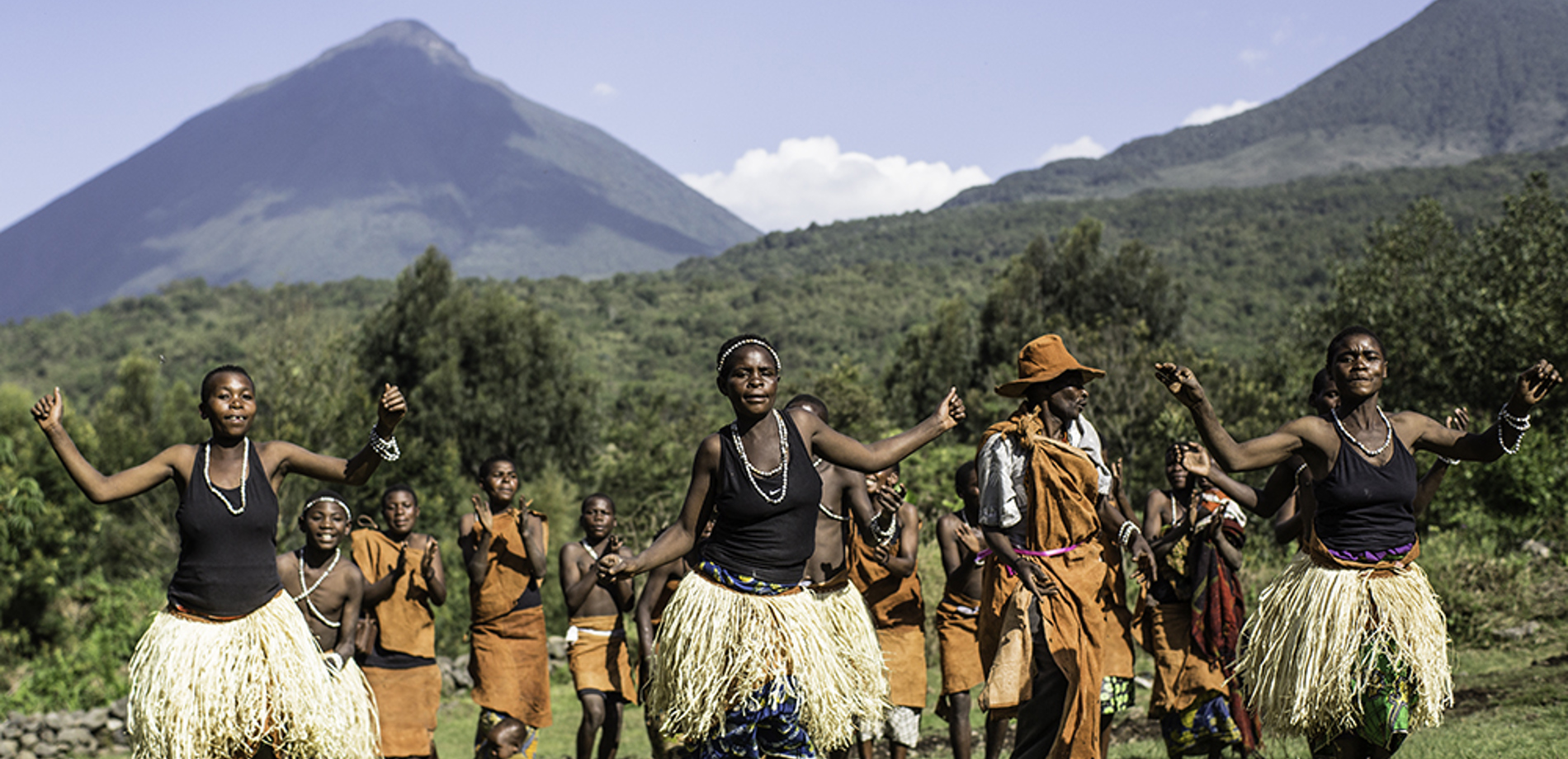
Batwa People Bwindi
Practical Tips for Uganda Gorilla Safaris
Preparing for a Uganda Gorilla Safari enhances the experience and ensures safety for both visitors and gorillas. Essential items include long trousers, long-sleeved shirts, waterproof jackets, sturdy hiking boots, gloves, and a face mask to protect gorillas from human diseases. Trekking requires moderate fitness, as trails can be steep and muddy.
Understanding gorilla behavior before the trek enriches the experience. Observing signs of stress or agitation, recognizing social interactions, and following guide instructions ensures safe and ethical observation. Planning visits during the dry seasons increases the likelihood of comfortable trekking conditions. Combining careful preparation with eco-conscious behavior allows travelers to enjoy Uganda Gorilla Safaris while supporting conservation.
Lessons from Male Gorillas on a Uganda Gorilla Safari
A Uganda Gorilla Safari provides travelers with profound insights inside the lives of male gorillas, from playful blackbacks to authoritative silverbacks. Observing their social intelligence, leadership, and adaptive behavior teaches lessons in empathy, cooperation, and emotional awareness. Uganda Gorilla Trekking blends wildlife observation, cultural immersion, and conservation education, creating transformative experiences that benefit both visitors and local communities.
Cultural engagement, eco-lodge stays, and community interaction reinforce sustainable tourism practices. Witnessing gorilla behavior in their natural habitat inspires lifelong respect, awareness, and meaningful memories. Uganda Wildlife Safaris leave travelers deeply connected to nature, providing not only an adventure of a lifetime but also a lasting positive impact on gorilla conservation and forest preservation.