Luxury vs Budget Uganda Gorilla Safari
October 27, 2025
Inside the Wild Hearts of Uganda
October 29, 2025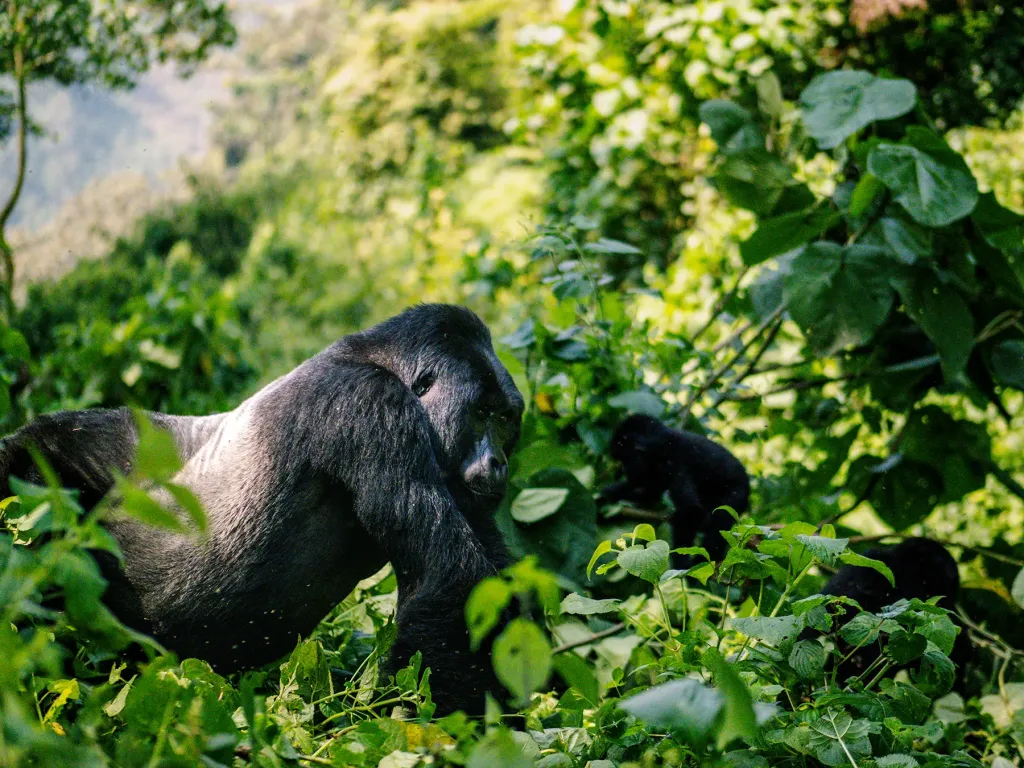
Gorilla Conservation in Uganda
Gorilla conservation in Uganda plays a critical role in protecting one of the world’s most endangered primates, the mountain gorilla. Uganda Gorilla Safaris not only offer travelers the opportunity to witness these magnificent creatures up close but also directly support ongoing conservation efforts that preserve their habitats.
The country’s conservation initiatives focus primarily on Bwindi Impenetrable National Park and Mgahinga Gorilla National Park. Which serve as safe havens for mountain gorillas and other wildlife. These parks are managed through a combination of strict protected area policies. Anti-poaching patrols, habitat restoration, research, and community engagement.
Conservation in Uganda is further enhanced by regulated tourism, where Uganda Gorilla Trekking not only provides unforgettable experiences but also generates revenue to fund these essential activities.
The Uganda Wildlife Authority (UWA) leads gorilla conservation programs in partnership with both local and international organizations. These efforts address threats including habitat loss, human-wildlife conflict, disease transmission, and climate change.
Conservation strategies integrate sustainable tourism with scientific research, ensuring that wildlife populations remain healthy and protected while communities bordering the parks benefit socially and economically. Gorilla conservation in Uganda demonstrates how responsible tourism, environmental management, and community development can work together. In order to secure a future for these iconic primates while offering visitors a unique and ethical wildlife experience.
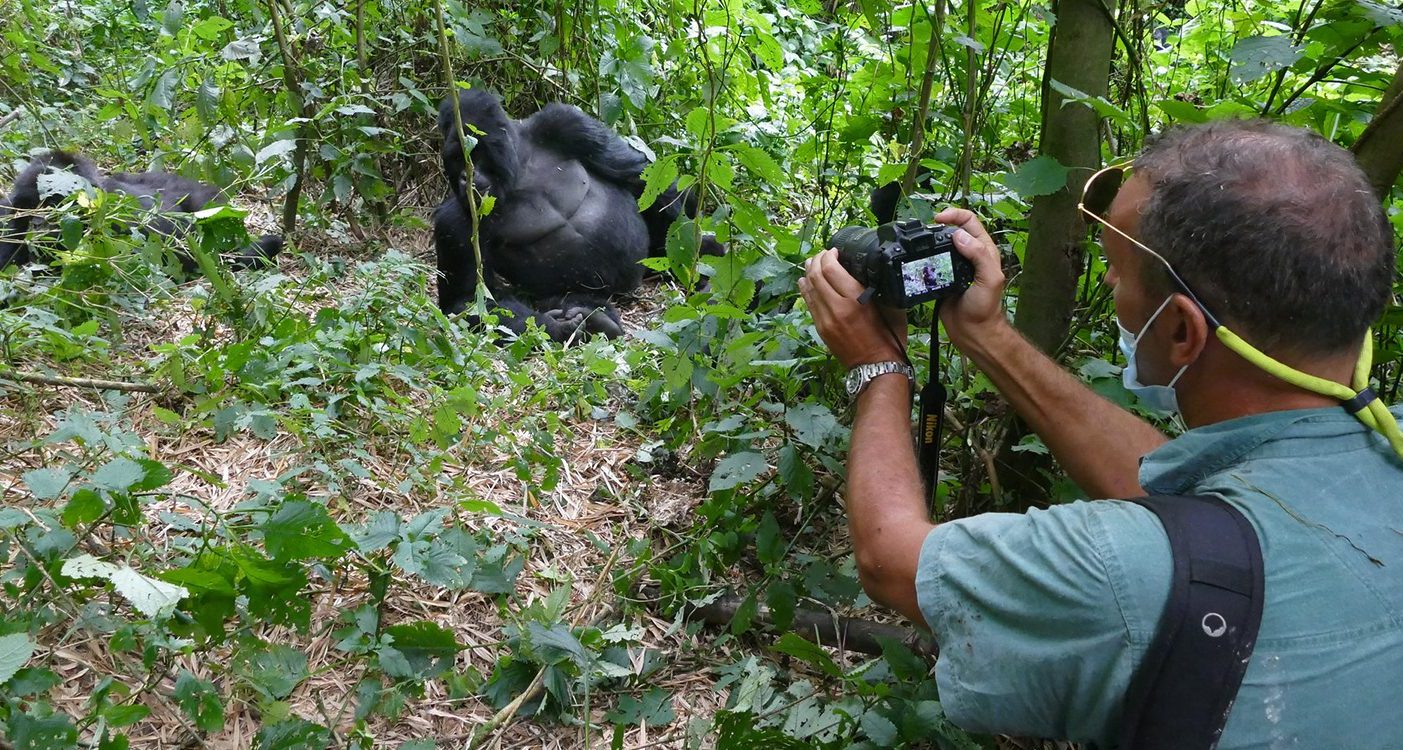
Uganda Gorilla Trekking
Protected Areas: Safe Havens for Mountain Gorillas
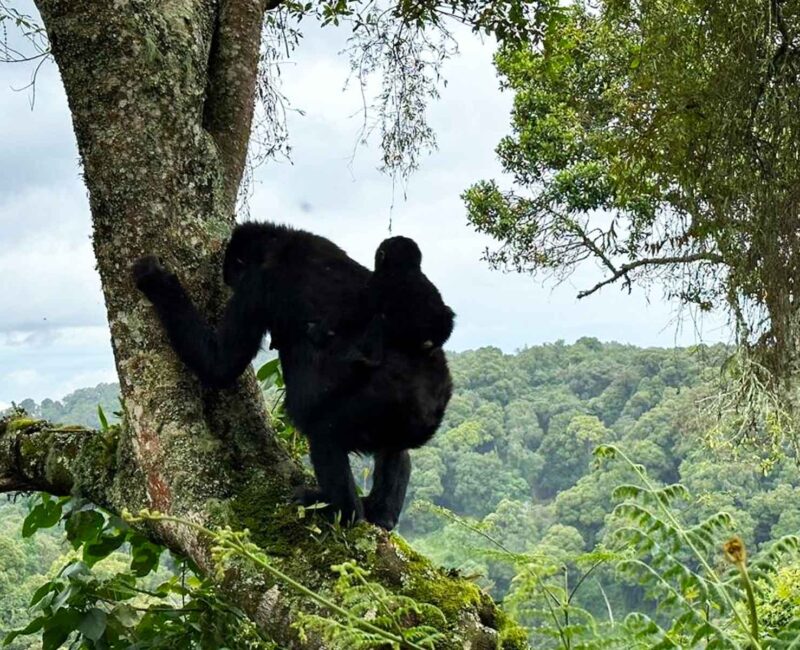
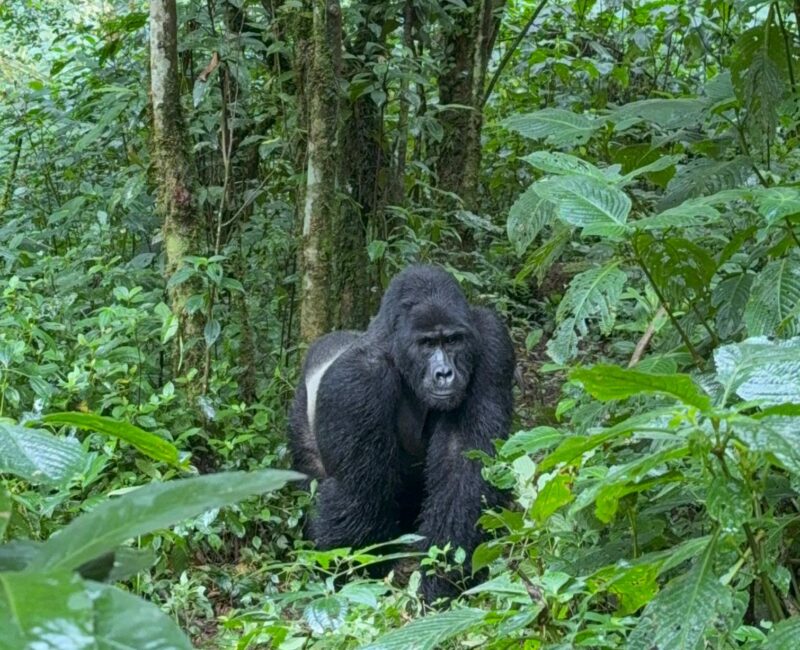
Uganda Gorilla Safaris center around two primary protected areas: Bwindi Impenetrable National Park and Mgahinga Gorilla National Park. Bwindi is recognized as a UNESCO World Heritage Site, safeguarding a significant proportion of the world’s remaining mountain gorillas.
Its dense, mist-laden forests provide the perfect environment for gorilla families to thrive. Mgahinga Gorilla National Park complements Bwindi by protecting the Virunga volcanic mountains and offering additional habitat for gorillas and other wildlife.
The establishment of these protected areas ensures that gorillas and their ecosystems are shielded from encroachment, deforestation, and hunting pressures. Trails, ranger patrols, and monitoring stations are carefully managed to minimize human impact while facilitating safe Uganda Gorilla Trekking.
These parks not only conserve wildlife but also maintain Uganda’s natural beauty, attracting tourists for Uganda Wildlife Safaris and Uganda Wildlife Tours. Through strict park management, visitors can experience close encounters with gorillas, chimpanzees, elephants, and countless bird species while knowing that their presence contributes to sustainable conservation.
Protected areas also encourage scientific research and monitoring. By providing secure habitats, researchers can study gorilla behavior, social structures, and population dynamics. This information informs adaptive conservation strategies that protect gorillas from emerging threats, ensuring that Uganda Gorilla Safaris remain ethical, responsible, and impactful.
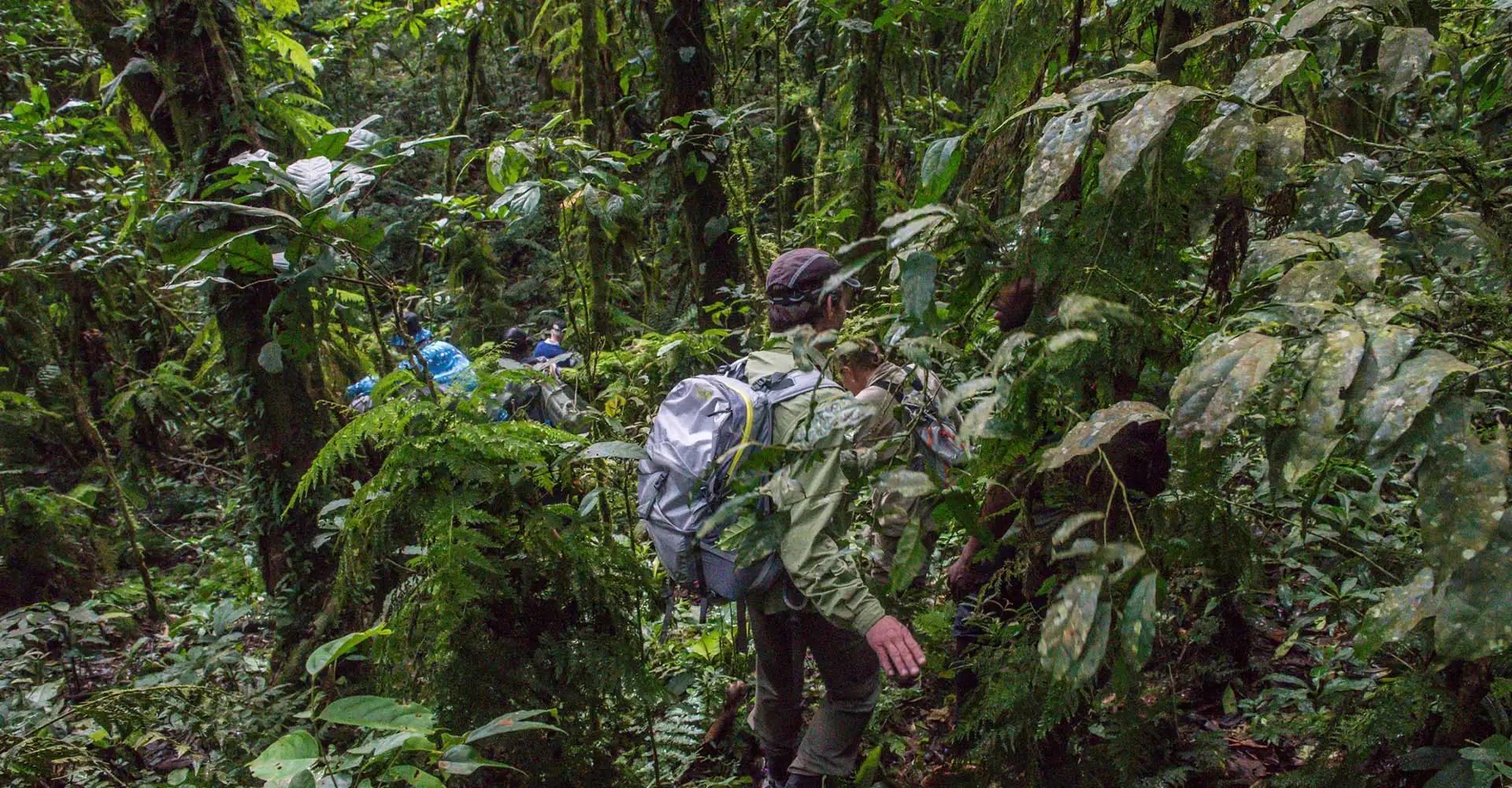
Bwindi Impenetrable Forest National Park
Monitoring and Research: Tracking Gorilla Populations
Effective gorilla conservation in Uganda relies heavily on monitoring and research initiatives. Organizations like the International Gorilla Conservation Programme (IGCP) and Conservation Through Public Health (CTPH).
Collaborate with the Uganda Wildlife Authority to track gorilla populations, study their movement patterns and assess threats to their survival. Detailed monitoring enables rangers and conservationists to respond promptly to health concerns, poaching incidents, or habitat disturbances.
Regular research provides insight into gorilla social behavior, breeding habits, and interactions with their environment. For tourists on Uganda Gorilla Safaris, this knowledge enhances their experience. As guides can explain gorilla family hierarchies, parenting behavior, and communication methods.
Scientific findings also influence tourism management, ensuring that Uganda Gorilla Trekking follows strict guidelines to prevent stress or disease transmission among gorillas.
Advanced technology, including GPS tracking, camera traps, and non-invasive health monitoring, supports these research efforts. Researchers can assess gorilla health and detect early signs of disease, enabling prompt intervention.
This monitoring also informs conservation education programs for local communities. Raising awareness about the importance of gorilla protection. By integrating research with sustainable tourism, Uganda ensures that gorilla populations continue to grow while providing visitors with memorable wildlife encounters.
Habitat Restoration and Management
Habitat restoration is a cornerstone of gorilla conservation in Uganda. Both Bwindi and Mgahinga National Parks face pressures from deforestation, agriculture, and human settlement. Reforestation programs aim to restore degraded areas, ensuring that gorillas have access to sufficient food and shelter.
Sustainable land-use planning also reduces conflict between humans and gorillas by creating buffer zones and corridors that connect fragmented habitats.
Conservationists employ a combination of ecological management techniques to maintain the health of forests, rivers, and grasslands. For instance, planting native trees and controlling invasive species helps maintain ecological balance.
Visitors on Uganda Gorilla Safaris witness these thriving habitats firsthand during treks, boat cruises, or scenic hikes, appreciating the interconnectedness of wildlife, vegetation, and human stewardship.
Effective habitat management also includes fire prevention, soil conservation, and water resource protection. These measures support biodiversity beyond gorillas, protecting chimpanzees, elephants, birds, and endemic plant species.
Uganda Wildlife Safaris benefit directly from these conservation practices, as well-managed habitats increase the likelihood of spotting diverse wildlife, creating unforgettable safari experiences while promoting environmental sustainability.
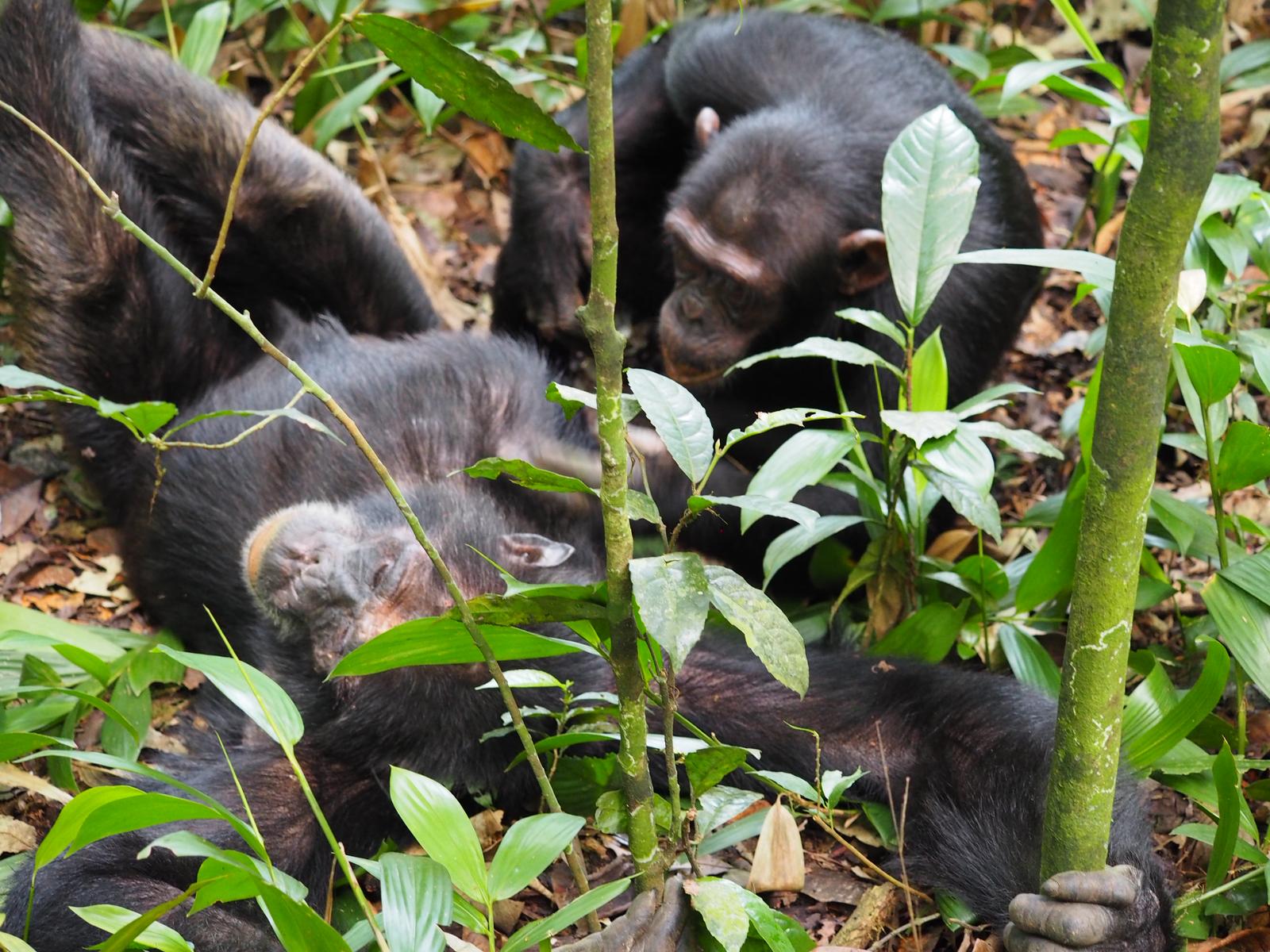
Uganda Primate Habituation Safari
Community-Based Conservation: Empowering Local People
Uganda Gorilla Safaris not only preserve wildlife but also improve the livelihoods of communities living near gorilla habitats. Community-based conservation initiatives, such as those by CTPH, integrate public health, education, and economic development into conservation strategies.
These programs help communities adopt sustainable practices that reduce human-wildlife conflict while fostering a sense of ownership and responsibility for gorilla protection.
Efforts include improving sanitation and hygiene, promoting family planning, and supporting alternative livelihoods. Such include beekeeping, eco-tourism employment, and handicrafts. When communities benefit from conservation, they are more likely to support anti-poaching measures, habitat restoration, and responsible tourism.
Cultural tours offered during Uganda Gorilla Safaris allow visitors to experience these communities, learn about traditional practices, and participate in educational projects, deepening appreciation for the human dimension of wildlife conservation.
Community engagement ensures that conservation is sustainable and inclusive. By connecting wildlife protection to local well-being, Uganda Gorilla Safaris contribute to both ecological preservation and social development.
Tourists experience authentic cultural interactions alongside gorilla encounters, reinforcing the value of responsible, community-focused tourism.
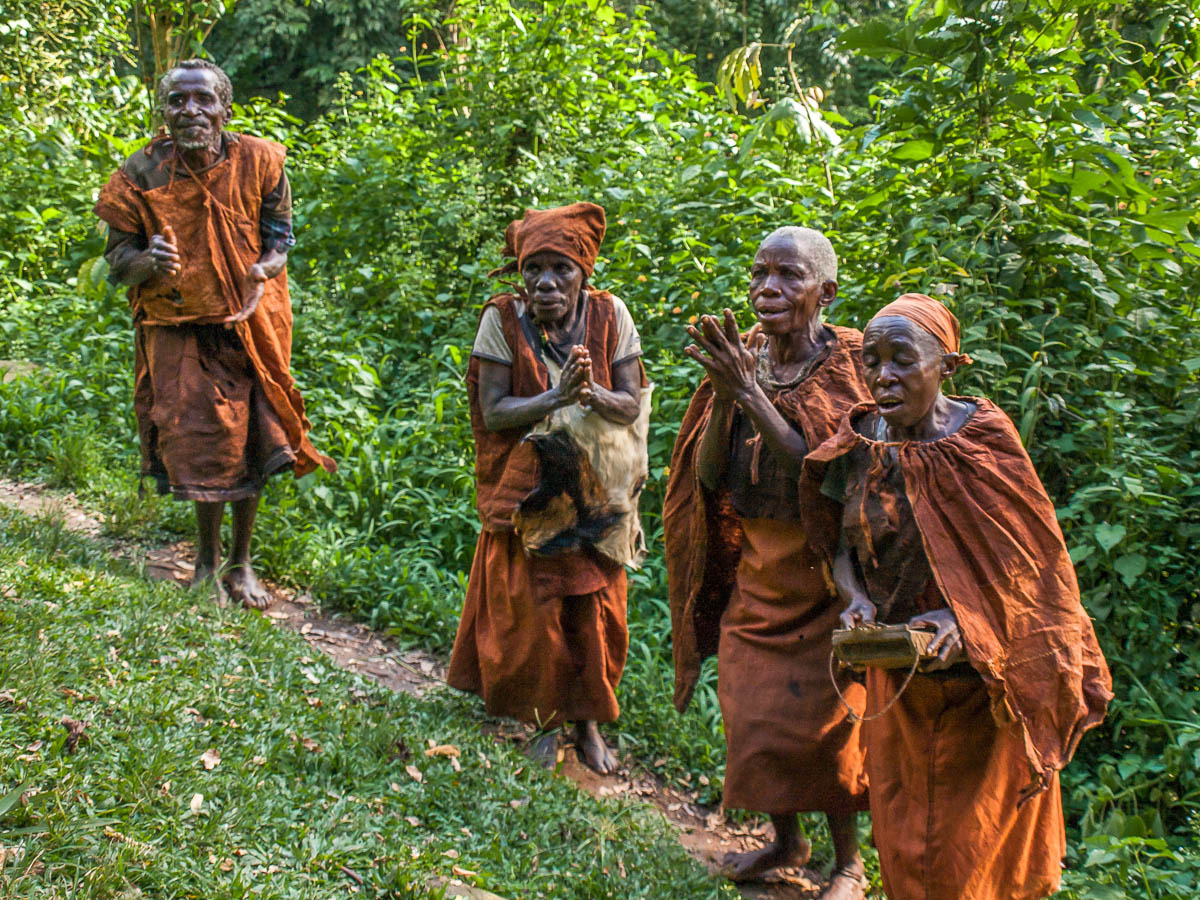
Batwa Cultural Experiences Uganda
Sustainable Tourism: Funding Conservation Through Gorilla Trekking
Tourism plays a vital role in gorilla conservation in Uganda. Uganda Gorilla Trekking is strictly regulated to minimize stress and disease risks for gorillas while generating revenue for park management and community development.
Trekking permits are limited, and park authorities enforce strict protocols such as maintaining a safe distance from gorillas, restricting group sizes, and requiring visitors to wear face masks.
Revenue from Uganda Gorilla Safaris funds anti-poaching patrols, ranger salaries, habitat restoration projects, and community programs. Sustainable tourism ensures that visitors’ contributions directly support conservation while providing unique, responsible wildlife experiences.
Luxury and budget Uganda Gorilla Safaris both contribute, enabling tourists to choose experiences that match their preferences without compromising conservation goals.
Sustainable tourism also supports ancillary activities, including Uganda Wildlife Tours, chimpanzee tracking in Kibale National Park, and boat cruises along the Kazinga Channel.
Each activity generates income that reinforces park protection. Improves infrastructure and enhances visitor experiences. By linking tourism to conservation, Uganda creates a model where wildlife preservation and economic development work hand in hand.
Addressing Emerging Threats
Conservation in Uganda continuously adapts to new challenges. Climate change, population growth, habitat fragmentation, and emerging diseases present ongoing threats to gorilla populations. Conservationists monitor environmental changes, assess risk factors, and implement adaptive management strategies to safeguard gorillas and other wildlife.
Education and awareness campaigns target both local communities and international visitors. By promoting responsible tourism, minimizing habitat encroachment, and emphasizing hygiene during Uganda Gorilla Trekking. Conservation efforts reduce risks to gorilla health.
Research initiatives identify new pathogens, guide vaccination and treatment programs, and ensure that wildlife populations remain resilient. These adaptive strategies reinforce Uganda’s reputation as a global leader in mountain gorilla conservation while maintaining safe, ethical experiences for tourists.
Organizations Driving Gorilla Conservation
Multiple organizations collaborate to ensure the long-term survival of mountain gorillas in Uganda.
- Uganda Wildlife Authority (UWA) oversees national parks, implements anti-poaching measures, and manages tourism regulations.
- Wildlife Conservation Society (WCS) supports research, monitoring, and habitat management programs.
- International Gorilla Conservation Programme (IGCP), a collaboration between WWF, the African Wildlife Foundation, and Fauna & Flora International, provides strategic planning and scientific research support.
- Conservation Through Public Health (CTPH) integrates conservation and community health initiatives to improve local livelihoods while reducing human-wildlife conflict.
- Mountain Gorilla Veterinary Association (formerly MGVP) addresses health interventions, disease monitoring, and veterinary care for gorillas.
These organizations ensure that Uganda Gorilla Safaris remain safe, ethical, and effective in conserving mountain gorilla populations, providing visitors with high-quality wildlife experiences that support long-term ecological and social sustainability.
Cultural Experiences Around Safari Lodges
Uganda Gorilla Safaris often integrate cultural experiences to complement wildlife adventures. Visitors can engage with Batwa communities, participate in traditional music and dance, explore local villages, and learn artisanal crafts. Lodges near Bwindi or Mgahinga may offer guided walks, storytelling sessions, or visits to community schools and markets.
These experiences provide insight into the daily lives of people living alongside gorilla habitats while fostering a sense of shared responsibility for conservation.
Luxury lodges often curate private cultural encounters with immersive experiences tailored to visitor interests, while budget safaris provide group cultural tours with interactive participation. Both approaches enhance appreciation for Uganda’s rich heritage, demonstrating how cultural engagement and conservation work hand-in-hand to create meaningful, sustainable tourism experiences.
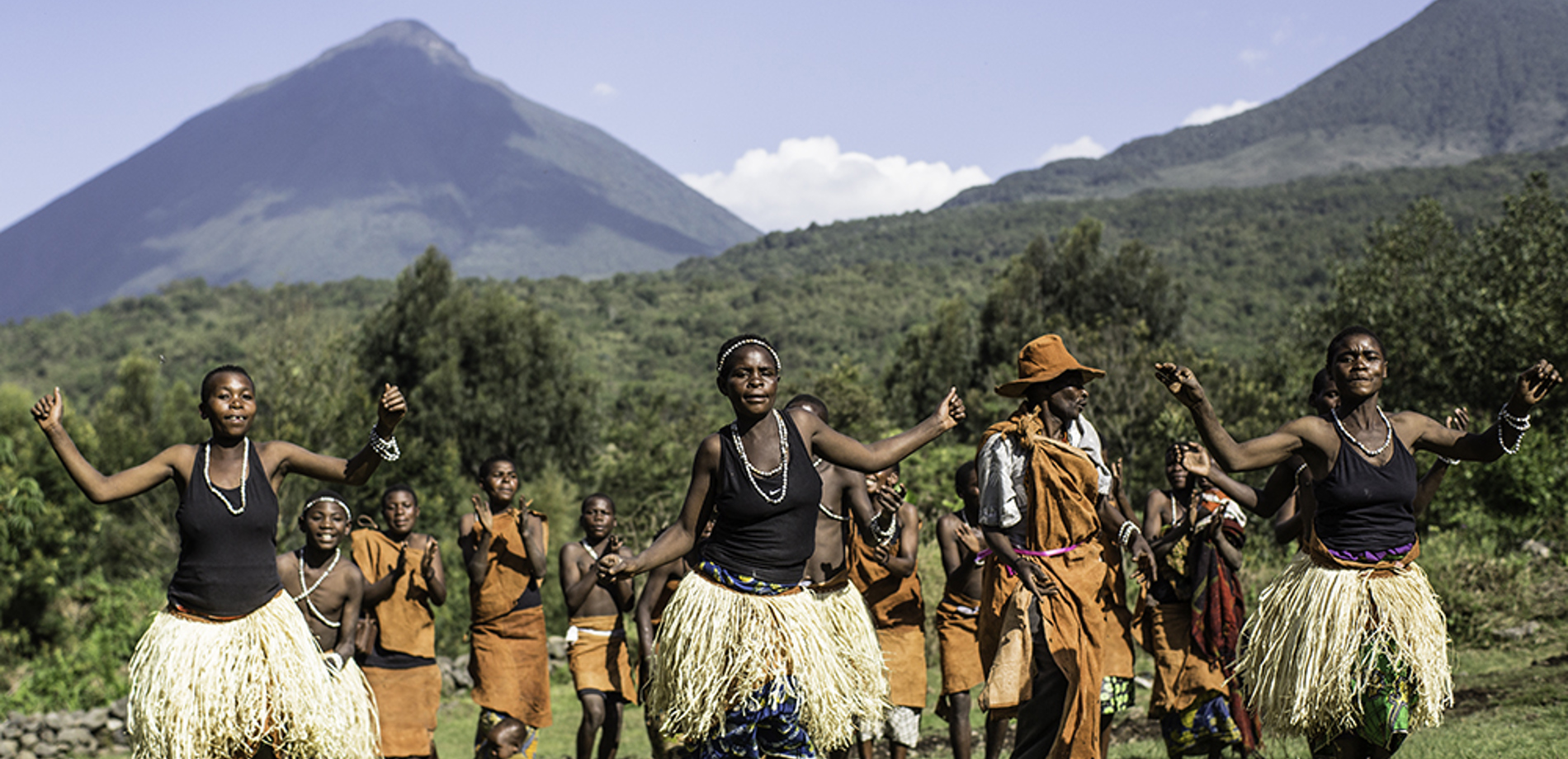
Batwa People Bwindi
Supporting Gorilla Conservation Through Uganda Safaris
Gorilla conservation in Uganda is a comprehensive effort combining protected area management, scientific research, habitat restoration, community engagement, and sustainable tourism.
Uganda Gorilla Safaris provide unforgettable wildlife experiences while directly contributing to the survival of mountain gorillas. Every trek, tour, and lodge stay supports anti-poaching efforts, ecological restoration, and community development.
Visitors to Uganda can witness mountain gorillas in Bwindi and Mgahinga National Parks while participating in responsible tourism practices that protect wildlife and benefit local communities.
Gorilla conservation in Uganda demonstrates how ethical tourism, scientific expertise, and community involvement create lasting impact. By choosing Uganda Gorilla Safaris, travelers support conservation, experience extraordinary wildlife encounters, and engage meaningfully with Uganda’s natural and cultural heritage.